 Login
Login




Fuel cards havelong been indispensable tools. A fuel card not only simplifies the fuelling process but also performs important cost control and management functions.
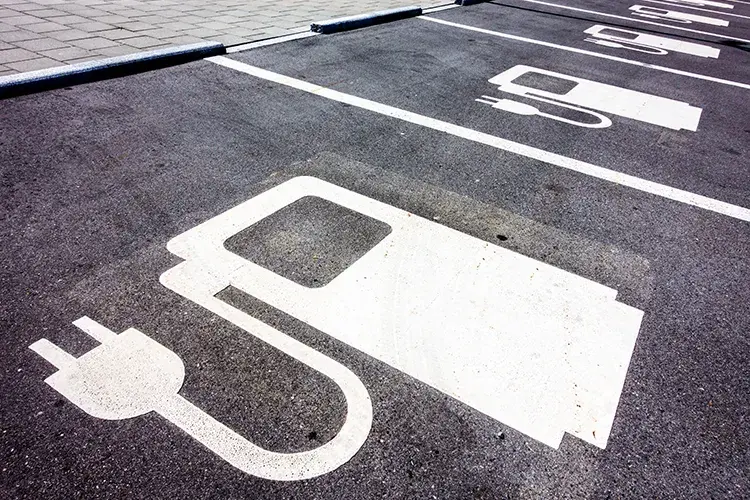
Companies with large fleets, self-employed individuals who make business trips, and even private individuals can benefit from fuel cards. Furthermore, they can be used to charge electric vehicles—in which case a fuel card becomes a charging card or a hybrid card.
The following explains what a fuel card is, how it works, the different types available, and the benefits they offer. It also examines applications and modern developments that make fuel cards an essential part of mobility today.
Key points at a glance:
- Fuel cards enable the centralised, digital tracking of all fuelling and charging transactions as well as vehicle-related expenses, eliminating the need to collect receipts.
- In addition to fuelling, services such as vehicle maintenance, toll settlement, and repair shop services can also be paid for with the card, often with discounts.
- Custom usage rules and spending limits provide additional control and security.
Table of Contents
What is a fuel card?
How does a fuel card work?
5 key benefits of a fuel card
Who benefits from a fuel card?
Types of fuel cards
What is a fuel card?
A fuel card is designed to process fuel purchases and vehicle-related services. Its main advantage lies in the centralised tracking of all transactions. Instead of collecting each fuel receipt individually, all transactions are stored digitally and consolidated into a single statement.
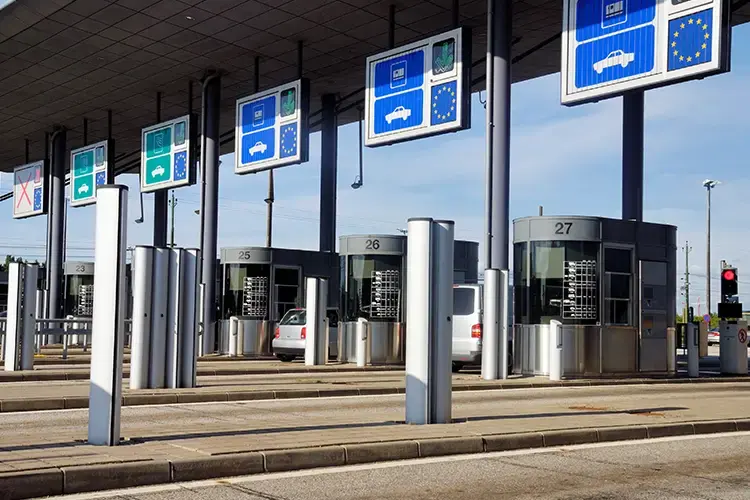
In addition to traditional fuel, many fuel cards also allow users to access services such as vehicle washes, lubricants and operating supplies, parking and toll fees, and even repair work. Fuel cards have thus evolved into a versatile tool that goes far beyond providing fuel.
How does a fuel card work?
The process of paying for fuel with a fuel card is straightforward:
- A vehicle is refuelled at a partner station.
- The fuel card is presented at the register.
- The transaction is digitally recorded and linked to a specific vehicle or driver.
- Billing is undertaken in batches at regular intervals, usually monthly.
5 key benefits of a fuel card
Fuel cards offer benefits that are important in both business and personal contexts.
Benefit 1: Cost control and transparency 💰
All transactions are automatically recorded, providing a complete overview of expenses. Businesses can allocate costs to individual vehicles or departments, while personal users can keep track of their monthly fuel budget. Key benefits include:
- Detailed overview of fuelling transactions
- Better ability to plan expenses
- Transparency for businesses and individuals
Benefit 2: Less administrative work 📝
A major advantage of fuel cards is consolidated billing. This eliminates the need to collect and submit individual fuel receipts. For businesses, this significantly reduces administrative burden. Practical benefits include:
- Faster accounting processing
- Lower error rate in receipt collection
- Time savings for drivers and administrative staff
Benefit 3: Tax benefits 📈
Since all transactions are documented in a legally compliant manner, fuel cards serve as an important basis for tax reporting. Self-employed individuals and businesses benefit from the fact that expenses can be clearly documented. Tax-related aspects include:
- Complete documentation for tax authorities
- Easy integration with accounting software
- Accurate separation of personal and business expenses
Benefit 4: Discounts and additional services 🚗
Many providers offer discounts on fuel or rewards programmes. Additionally, services such as vehicle maintenance or toll fees can be paid for using the card. Benefits include:
- Discounts per liter of fuel
- Special promotions for car washes or repair services
Benefit 5: Security 🔒
Fuel cards are equipped with PIN protection and blocking options. This restricts use to specific drivers, vehicles or amounts. It also makes them safer than cash. Key security features include:
- Individual usage limits
- Blocking option in case of loss
- Reduced risk of fraud
Who benefits from a fuel card?
Companies with a fleet of vehicles
- Transportation and logistics companies
- Trades businesses with service vehicles
- Field service organisations
- Courier and taxi services
Companies with multiple vehicles benefit the most. Centralised billing simplifies administration, and transparency helps optimise costs.
Self-employed individuals and freelancers
Sole proprietors save time because they can accurately document their business expenses. A fuel card is especially convenient for professionals that visit clients frequently.
Individuals
Private drivers who log a high number of kilometres can also benefit. They often use fuel cards because of rewards programmes or discounts and are better able to keep track of their expenses.

Types of fuel cards
Generally speaking, there are two:
|
Brand-specific fuel cards |
Multi-brand fuel cards |
| 📍 Valid at a specific fuel station chain | 🌐 Can be used at different fuel stations |
| 💷 Attractive discounts and additional benefits | 🛣️ Greater flexibility, especially for frequent drivers |
| ⛽ Ideal for users who regularly refuel at the same fuel stations | 🚚 Beneficial for companies operating across multiple regions |
Modern developments and additional services
Digitalisation has made fuel cards more modern and versatile. Many providers now offer apps and online portals that provide additional features. Examples include:
- Real-time overview of expenses
- Online management of usage rights and limits
- Integration with fleet management systems
- Use abroad, including toll processing
As a result, fuel cards are increasingly evolving into comprehensive mobility solutions.
Conclusion
A fuel card is a practical and efficient tool that goes far beyond processing fuel purchases. It ensures transparency, simplifies administrative processes, offers tax benefits and can lead to significant savings through discounts.
Businesses benefit from improved cost control and more efficient accounting; self-employed individuals benefit from legally-compliant billing; and private individuals benefit from discounts and overviews of their expenses. With advanced features and digital services, fuel cards will continue to play a central role in mobility as it evolves.