 Login
Login
Fuel card: Benefits, definition, and how they work
Fuel cards havelong been indispensable tools. A fuel card not only simplifies the fuelling process but also performs important cost control and management functions.




Fuel cards havelong been indispensable tools. A fuel card not only simplifies the fuelling process but also performs important cost control and management functions.
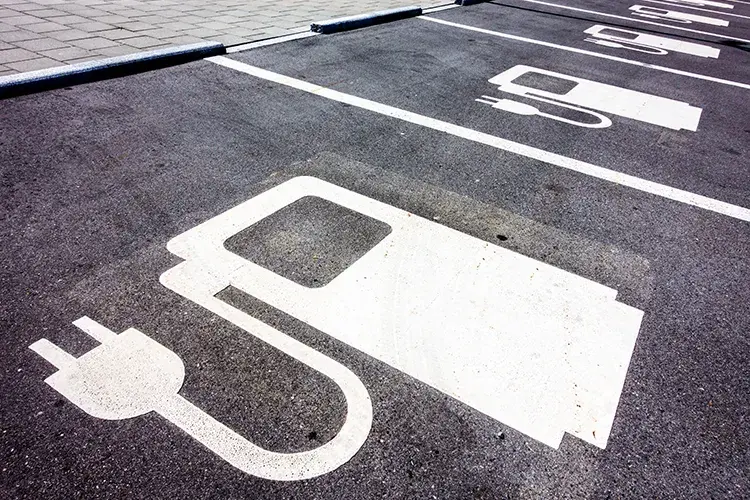
For many small and medium-sized businesses, making the transition to e-mobility is a complex consideration – too many unanswered questions, too little guidance. Is the switch really worth it? What costs will we face? And does e-mobility fit our business model?
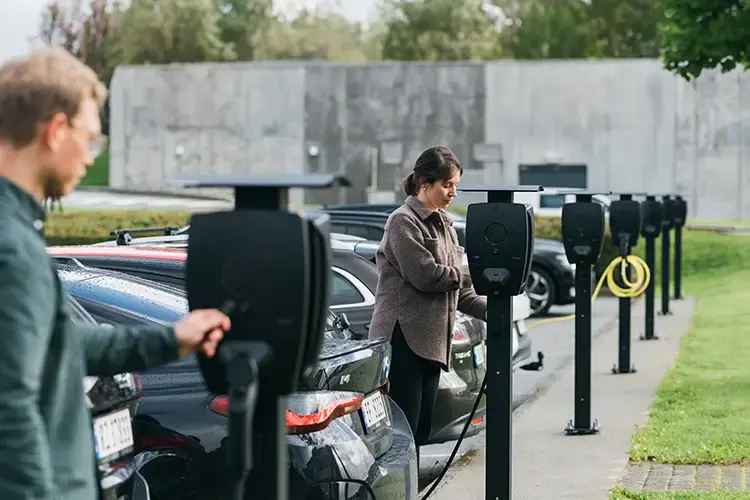
The transition of corporate fleets toward electric and hybrid vehicles is in full swing. Many decision makers face the challenge of ensuring the cost-effectiveness and transparency of mobility expenses.
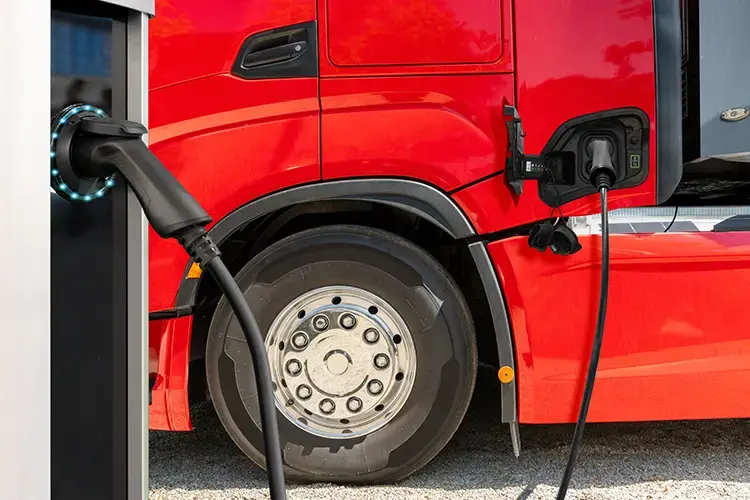
A recent study commissioned by the NGO Transport & Environment (T&E) and conducted by Fraunhofer ISI and the Öko-Institut examines the importance of charging infrastructure at logistics depots – with interesting results.

Fuel cards simplify the processing of fuel, toll and service costs. At the same time, fraud is on the rise. Professional criminals are constantly refining their methods – from the misuse of stolen cards to organised fraud networks. That’s why it’s no longer enough to rely solely on technical security measures.
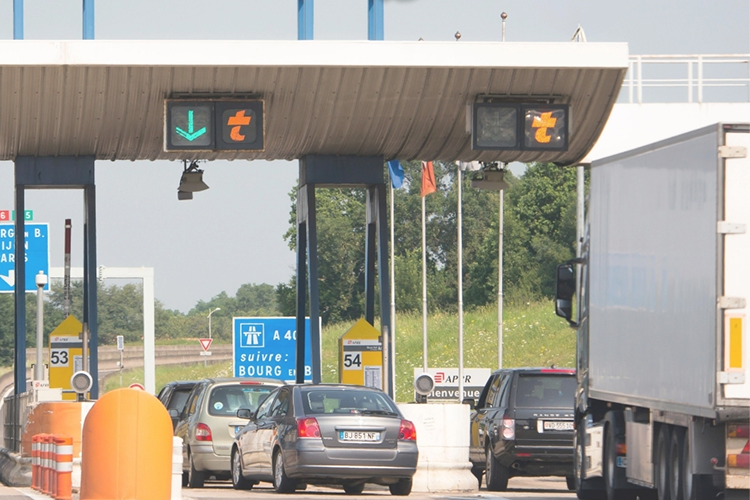
The French toll landscape is undergoing significant transformation that will impact transport operators starting 1 January 2027. Here's what fleet managers need to prepare for.

Truck drivers are the backbone of our logistics system and thus indispensable to the day-to-day functioning of society. But what happens when a heavy-duty truck breaks down? Whether it’s a flat tyre, engine failure, faulty brakes, electrical issue or problems with the suspension – breakdowns can not only disrupt the supply chain but also endanger drivers and others on the road. In this blog, we’ll take a look at the most common truck breakdowns, how drivers can handle them, and the assistance that is available.

Electric mobility continues to grow in Europe, but in many corporate fleets, the transition is proceeding more slowly than expected. From our perspective at UTA Edenred, this isn’t due to a single cause, but rather to several practical challenges in day-to-day fleet operations.

The electrification of freight transport is gaining momentum. More companies are testing their first vehicles, building pilot fleets or planning the next step in lower-emissions transportation. At the same time, it’s becoming clear that a vehicle alone doesn’t determine whether an electric truck will prove itself in everyday use. Just as important is the question of whether it can be charged while on the road.