 Login
Login


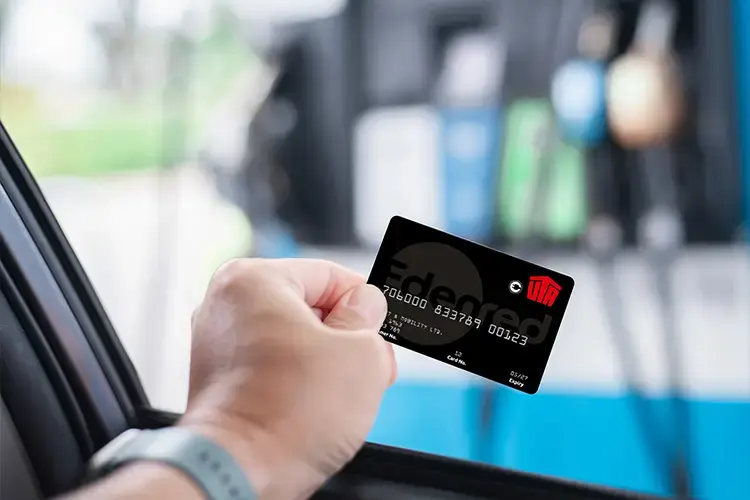

Employee fuel cards go far beyond refuelling – they simplify the processing of fuel and vehicle-related services, ensure transparent cost control and optimise administrative processes. A fuel card is therefore a valuable tool for companies with company vehicles and field staff.
Key points at a glance:
-
An employee fuel card enables cashless transactions and centralised, digital tracking of vehicle-related expenses; simplifies allocation and billing; and reduces administrative overhead.
-
A fuel card enables companies to automate and ensure transparent cost control, reduce administrative overhead, ensure legally compliant documentation, offer price advantages and additional services, and provide greater security in fleet management.
-
Employees benefit by not having to keep track of out-of-pocket expenses and wait to be reimbursed, enjoying simple and direct processing of fuel and service transactions, transparent billing and potential tax benefits.
Table of Contents
What is an employee fuel card?
How does it work within a company?
Benefits for the company
Benefits for employees
How to select the right fuel card
What is an employee fuel card?
A fuel card is used by employees to pay for fuel and vehicle-related services. Instead of having to keep track of individual receipts, all transactions are recorded digitally and consolidated into a single statement. This makes it easier to assign expenses to specific vehicles or drivers.
How does it work within a company?
- The employee uses a fuel card at a partner fuel station or service provider.
- The transaction is recorded digitally and assigned to the vehicle or driver.
- Billing is consolidated, usually on a monthly basis, with a detailed report.
- Companies set terms of use, spending limits, or permitted uses to prevent misuse.
Benefits for the company
Cost control & transparency
All fuel and vehicle costs are automatically recorded and assigned to individual vehicles, departments or employees.
Less administrative work
Centralised billing replaces the need to collect individual fuel receipts—reducing errors, saving time and simplifying bookkeeping.
Legally compliant documentation
Comprehensive digital records simplify tax reporting and make it easier to distinguish between personal and business use.
Discounts & additional services
Providers often offer discounts on fuel or bonus programmes. In addition, services such as vehicle maintenance, tolls or repair shop visits can be easily handled using the card.
Security
Fuel cards can be equipped with PIN protection, the ability to block the card if lost, and customisable spending limits. This allows for better control over usage and reduces the risk of misuse.

Benefits for employees
- No more out-of-pocket expenses or hassle with reimbursement
- Convenient to use: Fuelling and service transactions are processed directly with the card
- Clearer and simpler billing: All business trips and services are transparent and traceable
- In some cases, tax benefits may apply if usage is properly regulated
How to select the right fuel card
- Network coverage: How many gas stations or service stations are accepted?
- Fee and terms structure: Are there fixed costs, minimum spending requirements or a contract term?
- Additional services: Are tolls, repair shops or EV charging included?
- Management tools: Are online portals or apps offered for monitoring, setting limits and reporting?
- Flexibility: Can usage rules be customised for employees or vehicles?
Conclusion
An employee fuel card is a powerful tool for digitising and optimising mobility costs. It contributes to clear cost transparency, efficient management and improved security. Companies of all sizes – but especially those with company vehicles – can achieve significant benefits by carefully selecting and using a suitable fuel card.