 Login
Login


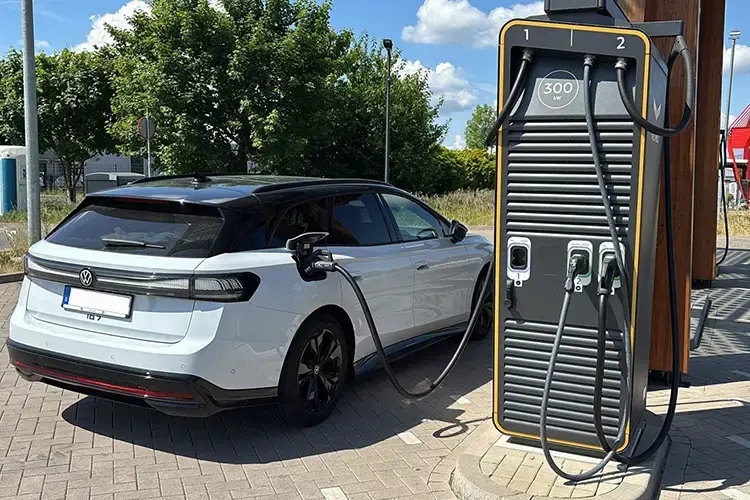

High fuel prices, increasing regulatory requirements, and a growing understanding of sustainability are all factors driving the mobility transition. For companies with fleets, shifting to electric mobility not only contributes to climate protection but represents a strategic investment in the future.
UTA eCharge® is a 360° charging solution that supports your journey toward an electric fleet. But why is the transition worth it – and how can it be undertaken successfully?
Table of Contents
The top reasons for an electric fleet
Step-by-step guide to implementing an electric fleet
The right charging infrastructure
Conclusion
The top reasons for an electric fleet
Reason 1: Climate protection & enhanced reputation
Companies with electric fleets signal a commitment to sustainability. Customers, partners and employees increasingly view environmental commitment positively – so an electric fleet can not only improve your carbon footprint but also strengthen your brand image.
Reason 2: Cost savings
Electric vehicles generally result in lower operating costs due to lower energy prices, reduced maintenance costs and tax benefits. These include, among others:
- GHG quota: Revenue from CO₂ emissions reduction certificates
- Tax exemption through the end of 2030 for new electric vehicles
- Reduced taxable benefits for company car taxation (0.25% rule)
Reason 3: Legal certainty and incentive programs
With the Corporate Sustainability Reporting Directive (CSRD), sustainability has become mandatory for corporate reporting. Electrifying a fleet helps meet ESG criteria – and is eligible for support from numerous government programmes.
Step-by-step guide to implementing an electric fleet
- Needs analysis & planning
Analyse your fleet’s driving profile: daily ranges, downtime and available charging infrastructure are crucial for determining which vehicles should be replaced or added. - Vehicle selection
From compact city cars to vans or trucks, there are a growing range of EV options on the market. It’s important to select vehicles based on your requirements: Oversized vehicles can incur unnecessary costs while smaller models may be insufficient for cargo. - Financing & incentives
In addition to purchasing or leasing, there are numerous incentive programmes for vehicles and charging infrastructure. You can take advantage of regional and national programmes to reduce costs.
The right charging infrastructure
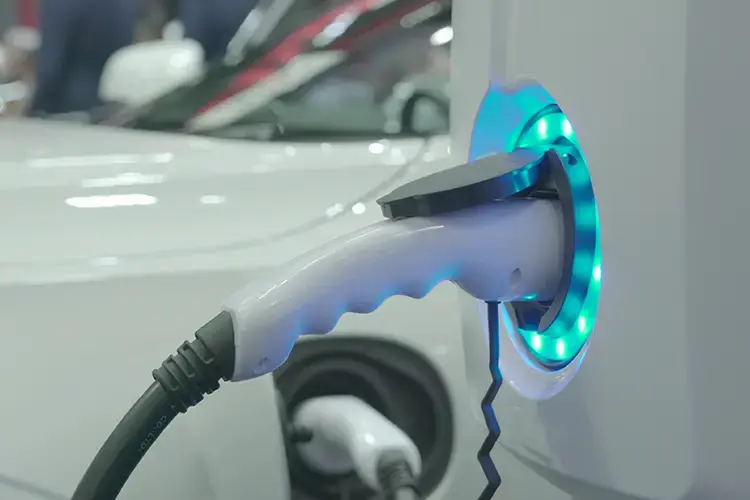
Efficient charging planning, automatic charging and sustainable energy are key factors in charging infrastructure.
- Planning charging points
How many of your vehicles need to charge simultaneously? Where are your vehicles parked overnight? Carefully thought-out charging infrastructure helps to prevent bottlenecks and drive efficiency. - Plug & Charge: Easy and convenient charging
With UTA eCharge and the Plug & Charge principle, charging is as easy as filling up at a fuel station: You simply plug in your vehicle, and the charging process starts automatically – without a card or app. - Solar power & bidirectional charging
Generate your own electricity with PV systems on your facility’s roof to reduce long term operating costs. Another option? Bidirectional charging, which uses vehicle batteries as mobile energy storage to stabilise the grid or for self-consumption.
Operation, billing and range
With reduced maintenance requirements, transparent billing via UTA eCharge, and efficient energy use, electric vehicles can form the basis of a reliable fleet.
- Maintenance & service
Electric vehicles require less service than combustion engine vehicles butneed specialised maintenance, such as for the battery and drive system. Proactive planning can minimise downtime. - Charging cost billing
UTA eCharge offers solutions for transparent billing, whether at public charging stations or when employees charge at home. - Range optimisation & regenerative braking
Energy-efficient driving, pre-conditioning at charging points, and regenerative braking in city traffic can extend your fleet’s range and improve practicality in everyday use.
Trends & the future: Understanding how electric mobility will evolve
Technology never stands still. Here are a few developments that could be exciting for your company:
- Inductive charging – contactless and integrated into everyday life
- Solar roofs on vehicles – an additional energy source
- Artificial intelligence applied to fleet management – optimising routes and charging times
- Alternative propulsion systems (e-fuels, hydrogen, HVO100) for mixed fleets
Conclusion: Set the course now
The transition to electric mobility is an opportunity for your company, your budget and the environment. With a clear roadmap and the right partner by your side, you can navigate the transition seamlessly. UTA eCharge provides you with smart charging capabilities, flexible billing models, practical advice and much more.