 Login
Login


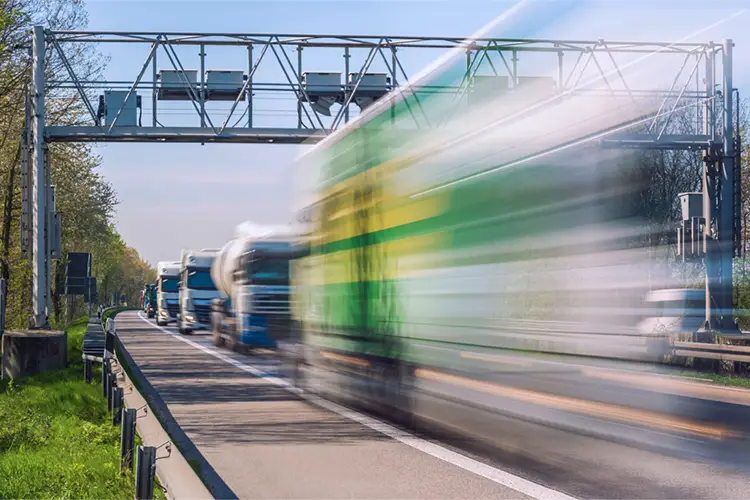

A major toll charge change in the Netherlands is imminent. On 1 July, the country will replace its national Eurovignette system with a distance-based toll system for trucks. Eurovignettes will continue to apply in other member states.
Instead of a time-based toll, operators will be charged based on kilometres travelled and a vehicle’s emissions class, reflecting Europe’s transition to usage- and emissions-based toll systems. The goal is clear: a fairer distribution of costs, reduced environmental impact, and sustainable infrastructure financing.
Who is affected, and why is this important?
The new toll applies to vehicles exceeding 3.5 metric tonnes. Only the weight of the tractor unit is taken into account – regardless of the trailer. An on-board unit (OBU) is mandatory for these vehicles, even if they do not travel on toll roads. The regulation applies to both domestic and foreign vehicles that cross through or operate within the Netherlands.
For fleet managers, the change requires new operational procedures, including:
-
The use of an on-board unit (OBU)
-
Collection of vehicle and emissions data
-
Ongoing monitoring of regulatory compliance
Failure to prepare could lead to operational disruption, penalties or a loss of cost transparency.
What should fleet operators do now?
1. Assess your risk
Identify all vehicles in your fleet weighing over 3.5 metric tonnes that operate in the Netherlands or that regularly travel through the country. Focus on heavily trafficked routes and cross-border trips where the impact of tolls will be greatest.
2. Prepare and verify your vehicle data
Ensure that all required data is complete and accurate, including:
-
Vehicle weight class
-
CO₂ emissions class
-
License plate numbers and chassis numbers
Have supporting documents ready, especially for your vehicles’ CO₂ emissions class.
3. Select and procure the right OBU
Choose a device that is tailored to your requirements:
-
Europe-wide coverage for international fleets
-
Regional solutions for use in specific corridors
-
Local solutions for use exclusively in the Netherlands
Plan the installation in advance to avoid last-minute bottlenecks and ensure that your devices are fully operational before they go live.
4. Driver training and monitoring
Provide drivers with clear instructions on how to use the OBU and how to handle warning messages. At the same time, implement real-time monitoring to:
-
Quickly detect anomalies
-
Avoid compliance issues
-
Ensure cost transparency
A robust reporting system is crucial for tracking toll expenses and identifying opportunities for optimisation.
Choosing the right OBU for your fleet
Choosing the right toll settlement solution is crucial for efficiency and control. Our portfolio supports different operational requirements:
UTA One next – An EETS toll box with Europe-wide coverage
Ideal for international fleets requiring comprehensive interoperability and centralised management, as well as for national fleets that want an overview of their operations through smart services.
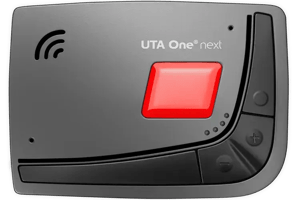
Highlights of UTA One next include:
-
4G connectivity, with over-the-air updates
-
App- and portal-based management
-
Real-time monitoring via HUB4Trucks
-
Voice guidance in 14 languages
-
Remote configuration of axles and weights
-
Ready for integration with the Dutch toll system upon activation
More information can be found here: UTA One next.
UTA RoadPass Pro – Coverage for Western and Central Europe
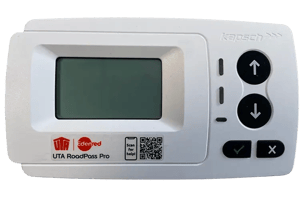
Designed for fleets operating on major European routes, including the Netherlands, this OBU offers:
-
4G connectivity, and over-the-air updates
-
Device-managed configuration
-
Trip and transaction reports
-
Pre-registration for the Netherlands
-
Seamless transition through parallel OBU use
-
Compact design for quick installation
More information can be found here: UTA RoadPass Pro.
AGES / NedLinq (Solution for the Netherlands only)
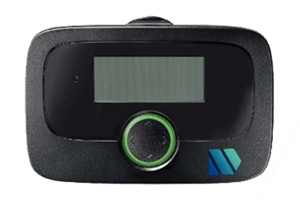
A simple, cost-effective option for domestic or occasional use in the Netherlands that features:
-
Web-based vehicle and account management
-
Single invoice for simplified administration
-
Support for fleets with low driving frequency or those focused on the Netherlands
More information can be found here: NedLinq OBU.
Stay one step ahead of the changes
July 2026 is still a few months away, but preparations can take longer than expected, especially when it comes to hardware deployment and data validation.
By preparing now, fleet managers can ensure uninterrupted operations, compliance from day one, and optimised toll costs and reporting processes.
If you need help assessing your fleet, preparing your data, or selecting the right solution, we’re happy to help.
Questions? Contact us!
We’d can help ensure a smooth and controlled transition for your business – simply contact us via the form below.